Your hair can feel rough, look dull, and refuse to sit right even though you washed it that morning. In Maiden and across the Piedmont, a common culprit is not the cut at all. It is what has built up on the hair: minerals from hard water, plus layer after layer of pomade, gel, spray, and conditioner that regular shampoo never fully removed.
A clarifying wash is the reset button. It is not an everyday shampoo and it is not a treatment you need to guess at. If you have never had one, or never used a clarifying shampoo at home, this walkthrough covers what buildup looks like, what the wash actually does, and how to do it without drying your hair out in the process.
How to tell buildup is the problem
Buildup announces itself slowly. Hair that used to take product easily starts needing more of it to do less. The top feels waxy or coated, the ends feel dry, and the whole head looks flat an hour after styling. Hard water adds its own signs: hair feels straw-like after a shower, lighter hair can pick up a faint brassy or greenish cast from minerals, and soap and shampoo do not lather the way they do in soft water.
Product buildup and mineral buildup often arrive together. Wax-based products are built to resist water, which is the point of them, and daily rinsing moves only the surface layer. Week after week, the residue collects. Add mineral deposits from the water itself and each strand ends up wearing a thin, uneven coating that blocks moisture and makes styling unpredictable.

The clarifying wash, step by step
Here is the whole process, whether a barber does it at the shop sink or you do it at home with a clarifying shampoo from the drugstore shelf.
- Start with a plain rinse. Soak the hair thoroughly with warm water for a full minute. Warm water loosens surface product and opens the way for shampoo to reach what is underneath. A quick splash is not enough for heavy buildup.
- Apply clarifying shampoo to the scalp first. Work a modest amount into the scalp with your fingertips, not your nails. The scalp is where oil, sweat, and most product residue collect. Let the suds run through the lengths as you rinse rather than scrubbing the ends directly.
- Let it sit briefly. Give the shampoo a minute or two on the hair. Clarifying formulas use stronger detergents than daily shampoo, and contact time is part of how they lift mineral and wax deposits.
- Rinse longer than feels necessary. Residue hides in rinsing shortcuts. Rinse until the water runs clear and the hair feels clean rather than slippery. Squeaky is too far, but coated is not clean.
- Repeat only if the buildup is heavy. A second light pass helps when the first rinse water looked cloudy or the lather barely formed. For routine monthly use, one pass is usually plenty.
- Condition lightly afterward. Clarifying strips oil along with the buildup, so follow with a small amount of conditioner on the lengths, not the scalp. This is the step people skip, and it is why their hair feels like straw afterward.
- Style on a clean base. Use about half the product you had been using. On clean hair, product goes further, and using the old amount restarts the buildup cycle on day one.
How often is often enough
For most men, a clarifying wash every two to four weeks keeps buildup from gaining ground. Heavy product users, men who work outdoors and sweat through the day, and swimmers may need it closer to every week or two. Men with dry, curly, or color-treated hair should stay at the longer end of that range and condition well afterward, because clarifying formulas do not distinguish between residue and the oils your hair wants to keep.
Daily clarifying is a mistake. Used too often, the same detergents that clear buildup will dry the scalp, fade color, and leave hair brittle. Think of it as a scheduled deep clean, not a replacement for your regular shampoo. If your regular shampoo has stopped lathering well or your hair feels coated within a day of washing, that is the signal the clarifying wash is due.
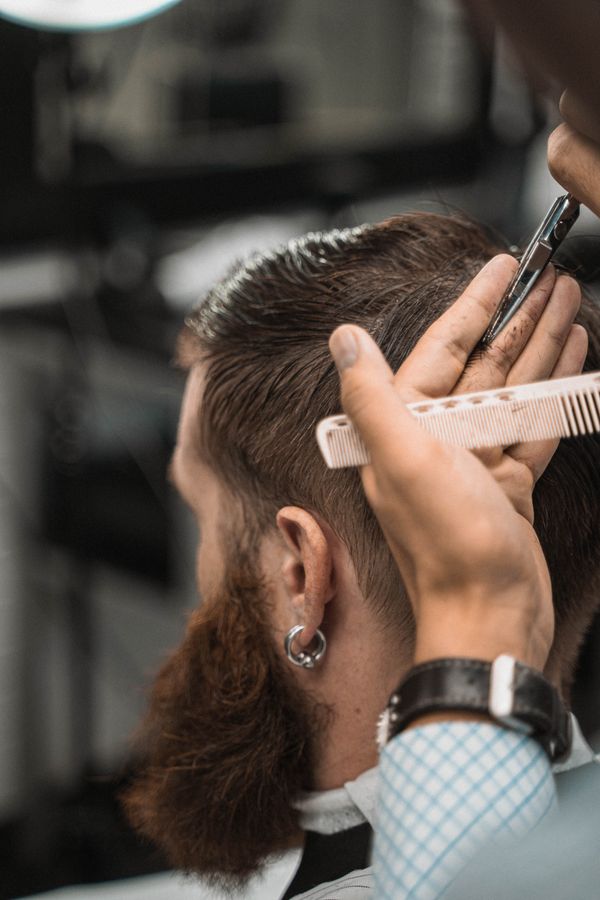
What a barber can see that you cannot
At a cut, a barber handles your hair dry and wet, from angles you never see. Coated hair cuts differently, clumps instead of falling naturally, and shows mineral dullness under shop light that bathroom light hides. If your cuts at Deaton's Barber Shop seem to grow out unevenly or your style will not hold past lunch, mention how the hair has been feeling. Often the fix is not a different cut. It is clearing what is on the hair so the cut you already have can do its job.
One caution: clarifying will not fix damage. Split ends, heat damage, and breakage stay after the wash. What changes is the surface, and for a lot of men that turns out to be most of the problem.
Common questions
Will a clarifying wash strip hair color?
It can fade color faster than a daily shampoo, especially in the first week after coloring. If you color your hair, clarify before the color appointment rather than right after, and use a color-safe clarifying formula.
Can I just use dish soap or baking soda instead?
Both are harsh shortcuts that dry hair and irritate the scalp without rinsing as cleanly as a real clarifying shampoo. A proper clarifying product is formulated for hair and is the safer tool for the same job.
How do I know if my water is hard?
Common signs are white scale on faucets and showerheads, soap that will not lather, and hair that feels rough after washing. Many municipal water reports list hardness, and inexpensive test strips can confirm it at home.
Photos in this guide are representative stock images.
← All guides from Deaton's Barber Shop← Back to Deaton's Barber Shop