The first haircut gets the photos and the envelope of saved curls. The tenth haircut is where families actually win or lose. By then the novelty is gone, the child knows exactly what the chair involves, and small problems that were cute once, wiggling, cowlicks cut the wrong way, a style that needs daily work, have had time to become regular hassles. This guide works through the common troubles after the first cut and how to fix each one.
The good news is that kids' cuts get easier with a system. Most of what makes them hard is predictable, and predictable problems have boring, reliable fixes.
Symptom: the cut looks great for a week, then wild
Kids' hair grows at roughly the same half-inch-a-month rate as adults, but on a small head, a little growth changes the shape fast. Hair starts covering ears, the neckline goes fuzzy, and a fringe that was perfect now hangs in the eyes. The likely cause is interval, not the cut itself. Most school-age kids hold a tidy cut for about three to five weeks, depending on how short it started.
The fix is a standing rhythm rather than rescue appointments. Pick an interval that matches the style, shorter cuts need the shorter end of the range, and book the next visit before you leave the shop. Between cuts, a quick neck and around-the-ears clean-up can stretch a style that is otherwise still working.
Symptom: cowlicks that win every morning
A cowlick cut against its growth direction springs up forever; the same cowlick cut with its direction settles down. If your child has a stubborn swirl at the crown or a fringe that splits in the same place daily, the cause is usually length at exactly the wrong point: short enough to stand, too short to lie down under its own weight.
Fixes come in two sizes. Leave the cowlick area slightly longer so weight holds it down, or take it genuinely short so there is nothing to stand up. The middle length is the trap. Tell the barber where the trouble spot is before the cut starts, since a cowlick behaves differently wet in the chair than dry at your bathroom sink, and your report is the evidence that matters.
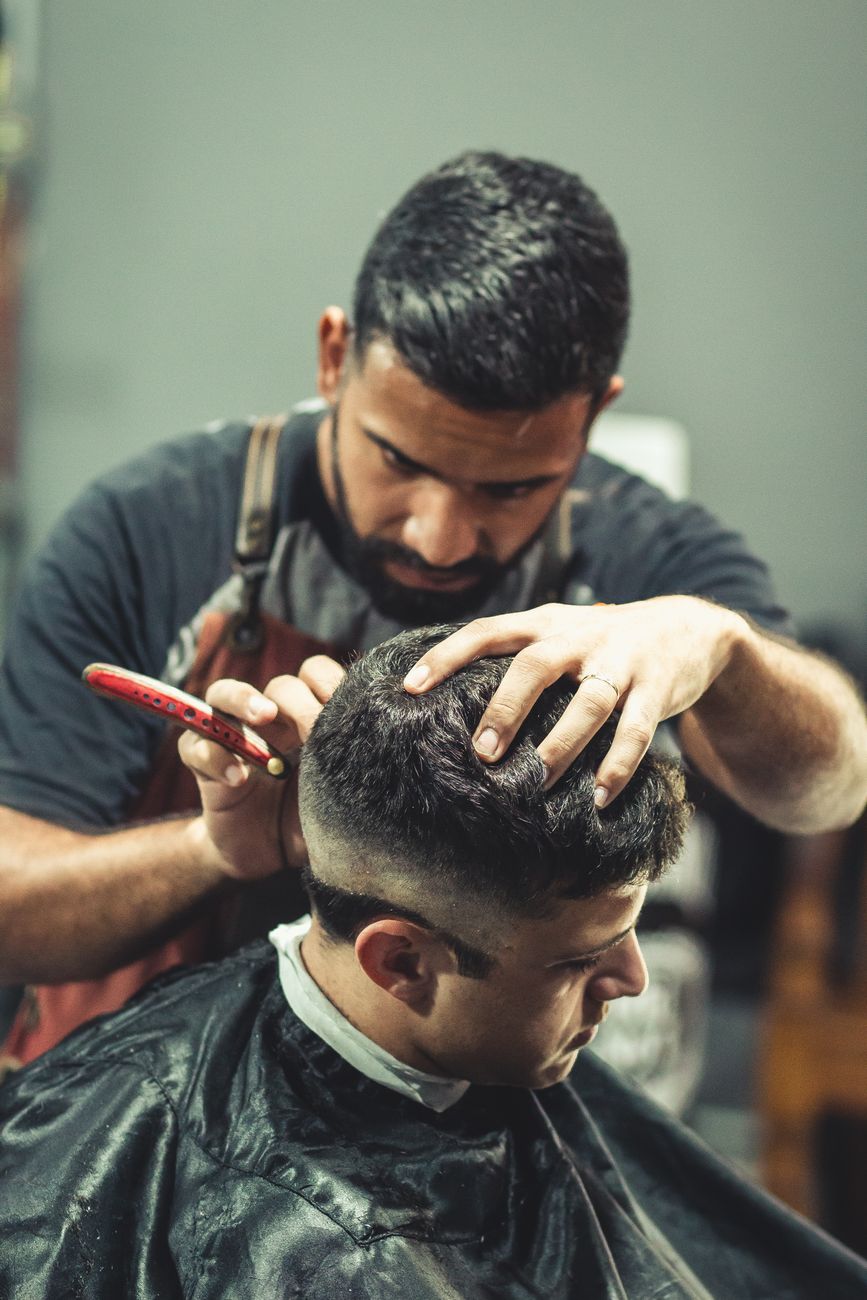
The routine that keeps appointments easy
- Keep the same barber when you can. Familiarity is the whole game with kids. A child who knows the person, the chair, and the order of events fidgets less each time, and the barber learns the head: cowlicks, scars, sensitive spots.
- Book the quiet hours. Ask when the shop is calmest and take those slots. A shorter wait and a less crowded room remove most pre-cut anxiety before it starts.
- Arrive with clean, dry, untangled hair. Knots combed out at home with patience beat knots combed out in the chair on a clock. Product-heavy hair also cuts less predictably.
- Pick playground-proof styles. Choose cuts that look fine with no styling at all. If a style needs gel and careful combing to look right, it will look wrong by recess every single day.
- Set the interval and stick to it. A regular three-to-five-week rhythm means every cut is a small maintenance cut, never a big transformation a child has to sit still through.
- End with the next appointment booked. Deciding the date in the shop removes the slow drift from "due for a cut" to "desperate for a cut" that makes visits longer and harder.
Symptom: tears or refusal at the chair
When a child who was fine before suddenly resists, look for a specific cause before writing it off as a phase. A nick last time, clippers that felt hot, hair falling on a face that hates the sensation, a long wait that used up all patience before the cut began. Each cause has a different fix: a cape tucked with a tissue at the neck for itchy hair, a scissor cut instead of clippers for a sound-sensitive kid, a first-slot appointment for one who cannot wait.
At Deaton's Barber Shop in Maiden, kids' haircuts are a regular service, and barbers who cut kids' hair expect the conversation about what went wrong last time. Brief them. Two sentences from you can save the whole appointment.
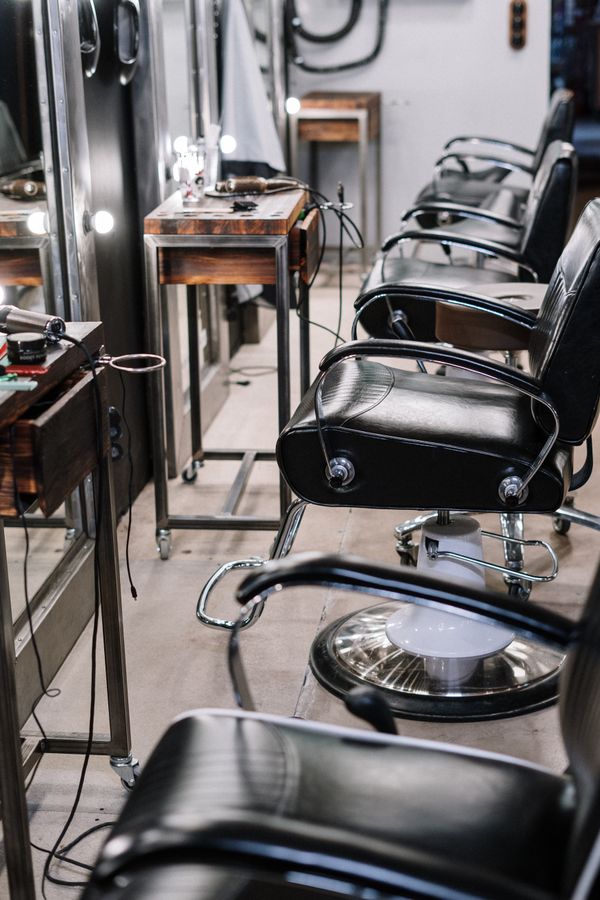
Home maintenance between cuts
Parents can safely handle a few things: trimming a fringe that is poking eyes, using small scissors with the hair dry and cutting less than you think, and tidying a stray tuft over the ears. Leave necklines, fades, and anything requiring clippers to the shop; a home neckline fix is the most common reason a maintenance cut becomes a correction cut. When in doubt, the between-cuts clean-up at the shop is quick and saves the style.
Common questions
How often should kids get a haircut?
Most children do well every three to five weeks. Shorter styles and fast-growing hair sit at the three-week end; longer, looser styles can stretch to five or six before they look untidy.
Does cutting a child's hair make it grow back thicker?
No. Cutting removes the tapered ends, so regrowth can feel coarser and look fuller, but the follicles and the hair's actual thickness do not change. That is true for adults too.
What if my child will not sit still?
Shorter appointments, the same familiar barber, a quiet time slot, and a simple cut all help. Tell the shop when booking so they can plan a patient pace rather than a rushed one.
Photos in this guide are representative stock images.
← All guides from Deaton's Barber Shop← Back to Deaton's Barber Shop