Most disappointing haircuts are not bad haircuts. They are the wrong haircut, agreed to in a thirty-second conversation where neither side said quite what they meant. You asked for a change, the barber pictured one thing, you pictured another, and you both found out at the mirror. Talking about a style change is a skill, and it is mostly about comparing real options honestly before the clippers start.
This piece lays the genuine choices side by side: how much change to make, how to describe it, and how much daily effort each direction actually takes. Bring it to your next visit in Maiden and the conversation gets easier.
The three sizes of change
Nearly every style change is one of three sizes. Naming which one you want prevents the classic mismatch where you meant a tweak and got a transformation.
| Size of change | What it means | Grow-out risk | Best for |
|---|---|---|---|
| Adjustment | Same style, one element moved: longer top, tighter sides, different neckline | Minimal; back to normal in one cut if you dislike it | Testing whether you want more change |
| Restyle | New shape that still suits your current length range and routine | Moderate; two or three cuts to fully reverse | A look you have outgrown but a routine you want to keep |
| Transformation | Different length category, new part, growing out a fade or cutting long hair short | High; months of growing to undo | A deliberate new chapter, with patience for the in-between stage |
| Correction | Fixing a cut that went wrong elsewhere or at home | Varies; depends on how much hair is left to work with | Being honest about what happened so the fix is realistic |
Say the size out loud. "I want an adjustment, not a whole new thing" is a complete, useful instruction, and barbers at places like Deaton's Barber Shop hear it with relief, because it sets the boundaries of the job.
References help, with one rule
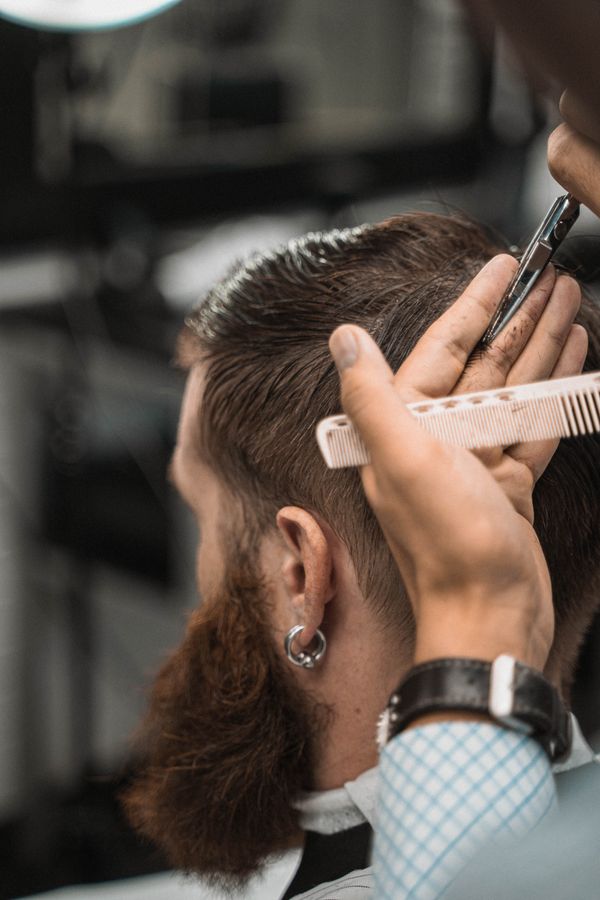
Photos are the fastest way to align two people's mental pictures, and barbers genuinely welcome them. The rule is to bring photos of people whose hair resembles yours in texture, thickness, and hairline. A style built on thick, straight hair will not translate to fine or tightly curled hair no matter how good the cut is, and a hairline in a photo that starts two inches lower than yours changes the whole result.
Bring two or three photos, not twelve, and be ready to say which part you like: the length on top, the tightness of the sides, the texture. "This, but longer on top" is exactly the kind of sentence that produces the cut you wanted.
The effort conversation is the honest one
Every style has a daily price in minutes and product. A slicked, precise style may need ten minutes and two products each morning. A textured crop may need thirty seconds and nothing. Neither is better; the failure mode is picking a high-effort style with a low-effort life, then blaming the cut when it looks rough by Wednesday.
Tell your barber the truth about your mornings. How long you actually spend, whether you own a dryer, whether your job involves hats, helmets, or hard hats, and how often you realistically come in. A cut that needs a trim every two weeks to stay sharp is a poor match for a man who comes every six, and a good barber will steer you to the version of the style that survives your real interval.
Test-driving before committing
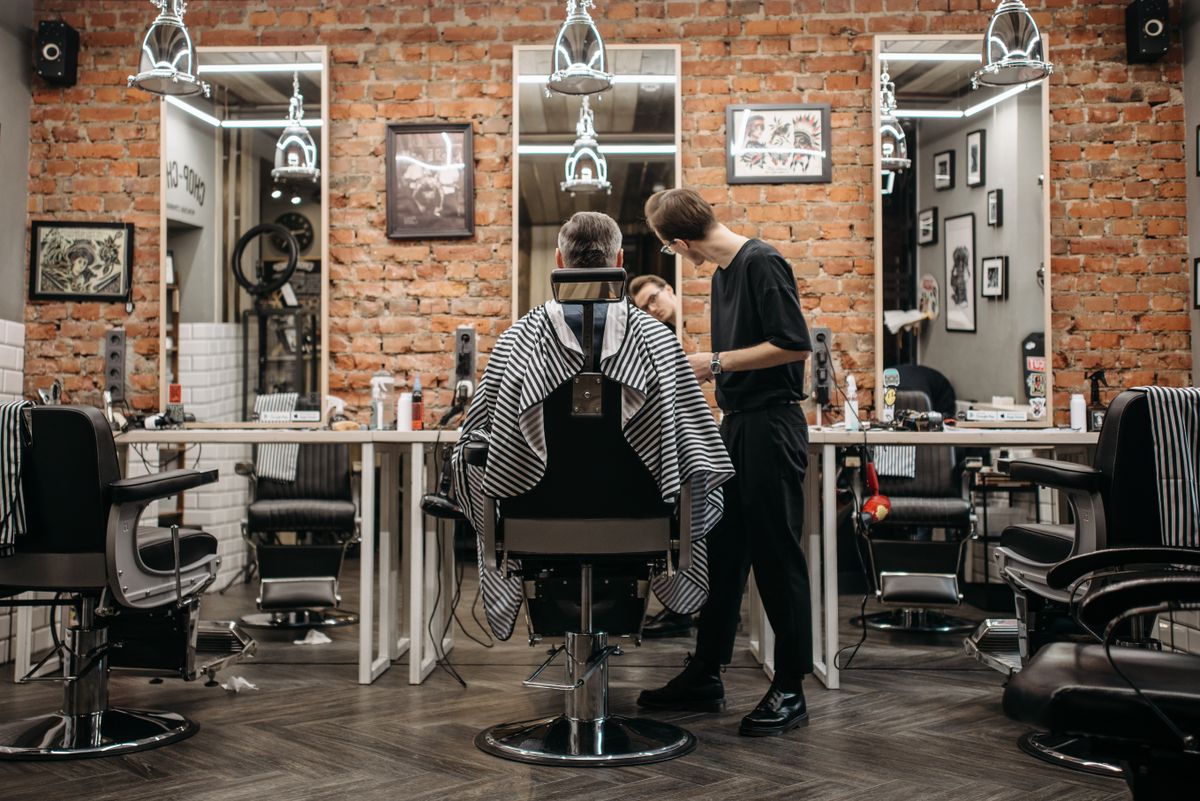
For a restyle or transformation, there are honest halfway steps. Grow the top for one cycle while keeping your usual sides, and see whether you like the direction. Try the new part or styling at home for two weeks before cutting around it. Ask the barber to cut to the longer, safer version first; taking more off is always possible at the next visit, while putting length back takes months.
Also schedule the follow-up before you leave. A new style deserves a second look at two or three weeks, when you know how it behaves on your own sink-and-mirror routine, and small corrections at that visit are quick.
What to say when you hate it
Say so, in the chair, kindly and specifically. "Shorter than I pictured on the sides" can often be blended or softened on the spot. Silence followed by never returning helps no one, and barbers would rather fix a cut than lose a customer over one they never heard about. If the style itself was a mistake, ask what the grow-out path looks like and what the next cut should do. That plan turns a bad month into a managed one.
Common questions
Is it rude to bring photos to a barber?
Not at all. Barbers prefer a photo to a paragraph of description. Keep it to a few images of hair similar to yours, and point out the specific element you like in each one.
How do I describe a cut if I do not know the terms?
Use lengths and comparisons instead of names: longer than last time on top, tighter than this photo on the sides. Your barber will translate, and can show you guard lengths and samples as you talk.
Should I change styles right before a big event?
No. Make the change at least two cuts ahead of weddings, photos, or interviews, so the style has settled and you have had one chance to correct anything you dislike.
Photos in this guide are representative stock images.
← All guides from Deaton's Barber Shop← Back to Deaton's Barber Shop